What a College Park Bungalow's Wiring Says That Its Listing Photos Don't
August 27, 2026
August 27, 2026
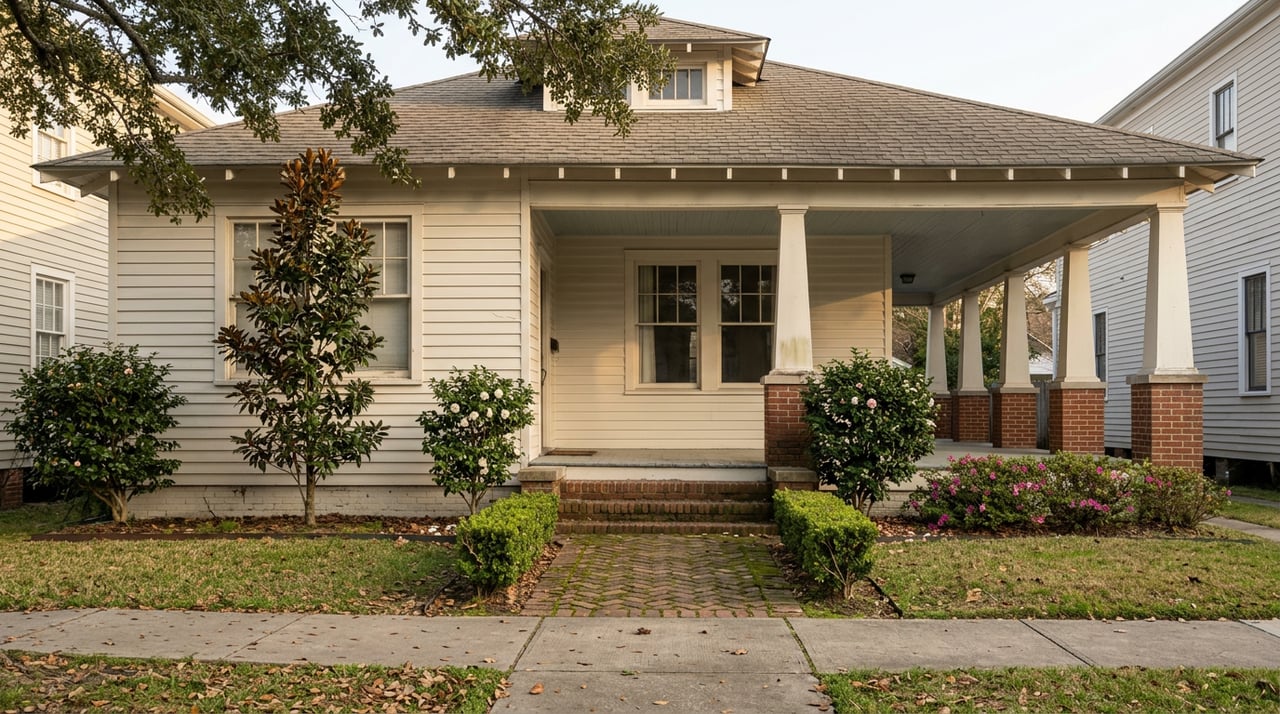
Two three-bedroom homes went on the market a block apart in College Park this spring. Same era, same price range, same walk to Edgewater Drive. One closed in five weeks. The other sat in escrow for three months while the buyer's insurance carrier waited on documentation that didn't exist yet. The difference wasn't the kitchen or the roofline. It was what was behind the walls.
College Park is one of Orlando's oldest neighborhoods, built out starting in the 1920s and still filling in today with infill construction along its brick-lined streets. That century of build dates, mostly concentrated in zip code 32804 with some overlap into 32803, is exactly what gives the neighborhood its character. It's also what creates a closing-table problem that has nothing to do with price and everything to do with what year a home's electrical system was installed.
Walk down any street off Edgewater Drive and you'll pass 1920s Craftsman bungalows next to 1950s ranches next to brand-new infill builds from companies like SGC Holdings and Lexeer. Each era brought its own wiring standard, and Florida's building code has changed enough times since the 1920s that a home's permit history often tells you less than its panel does.
A licensed contractor who works specifically in this housing stock, Karhan Companies, lists the conditions they expect to find in a College Park remodel before they even open a wall: knob-and-tube wiring, plaster-and-lath walls, original cast-iron drain stacks, sloped subfloors over compromised pier-and-beam framing, and asbestos floor tile hiding under later layers of vinyl. None of it is a dealbreaker. All of it is invisible until someone goes looking, which is exactly the point.
Florida insurers require a 4-point inspection on any home older than 30 years before they'll issue or renew a policy. Unlike a full home inspection, it narrows to four systems: roof, plumbing, HVAC, and electrical. For a College Park buyer, the electrical section is where the surprises live.
Inspectors are specifically checking for panel brand and wiring type. Two brands, Federal Pacific Electric and Zinsco, carry documented histories of breakers that fail to trip when they should, and both were installed widely from the 1950s through the 1980s. Aluminum branch circuit wiring, common in homes built between 1965 and 1973, is a separate flag. The U.S. Consumer Product Safety Commission has documented that aluminum wiring creates a 55 times higher fire risk at connection points than copper. Knob-and-tube wiring, found in pre-1950s construction, is treated differently again: it can't be remediated with connectors the way aluminum can, and if it's still live, full replacement is the standard recommendation.
Here's what that looks like when it's sorted by build era:
| Build Era | Common Wiring or Panel Issue | Typical Insurance Response |
|---|---|---|
| Pre-1950s | Knob-and-tube wiring | Often requires full replacement before coverage |
| 1950s-1980s | Federal Pacific or Zinsco panels | Frequently flagged for panel replacement |
| 1965-1973 | Aluminum branch circuit wiring | Requires documented remediation (COPALUM crimps or AlumiConn connectors) |
| Post-1990s | Copper wiring, modern panel | Rarely flagged on a 4-point inspection |
Standard wire-nut pigtailing on aluminum wiring isn't accepted as remediation. Carriers want COPALUM crimps or AlumiConn connectors installed by a licensed electrician, with written documentation. An Orlando-based electrical contractor, InPhaze Electric, notes that homes described in a prior sale as "already rewired" still turn up partial knob-and-tube runs once someone gets into the attic, because earlier renovations often patched around the old wiring instead of removing it.
This is where the College Park story gets specific. Newer construction in Lake Nona, Horizon West, and Winter Garden pays 20 to 35 percent less per dollar of insurance coverage than historic neighborhoods like College Park, and the gap comes down almost entirely to roof age and wiring type rather than the value of the home. A College Park bungalow with a 20-year-old shingle roof and unremediated original wiring can pay close to double what a similarly priced new build a few miles away pays for identical dwelling coverage, according to a 2026 breakdown of Orlando-area insurance data.
The mechanism is a single wind mitigation inspection. A licensed inspector spends roughly an hour documenting seven features of a home's roof and structure, using Florida's updated wind mitigation form (OIR-B1-1802, effective April 2026), and that report alone has been shown to move an annual premium from around $4,500 to around $1,660 on identical coverage. The inspection itself runs $75 to $150. For a College Park buyer with an older roof and original wiring, skipping that inspection is the difference between a manageable premium and one that changes the monthly payment math entirely.
Florida's broader insurance market is actually loosening in 2026. Citizens Property Insurance cut rates 8.8 percent effective June 1, 2026, and new carriers are writing Orlando policies for the first time in years. That makes the College Park premium gap more visible, not less. When the overall market eases and a specific home still prices high, wiring and roof age are usually why.
Here's a misconception worth clearing up before it costs someone a renovation timeline. College Park looks and feels like a historic district, with its brick streets and 1920s bungalows, and buyers sometimes assume any exterior change requires approval from the city's Historic Preservation Board.
It doesn't. The City of Orlando has six designated historic preservation overlay districts: Downtown, Lake Cherokee, Lake Copeland, Lake Eola Heights, Lake Lawsona, and Colonialtown South. College Park isn't one of them. A remodel here still requires standard City of Orlando building permits, but it does not require a Certificate of Appropriateness, the additional review process that governs exterior changes in the six designated districts. For a buyer weighing whether to add a primary suite or swap the roofline, that's a meaningfully faster and less restrictive path than a Lake Eola Heights address would offer.
If you're buying in College Park, the practical sequence is straightforward. Ask for the age and brand of the electrical panel before you're deep into inspection contingencies. If the home was built or last rewired between 1965 and 1973, request an electrical inspection that specifically addresses wiring type, not just a general home inspection, since a general inspector isn't always checking for aluminum branch wiring the way a licensed electrician will. If remediation is needed, know that a full rewire in the Orlando area typically runs $3,500 to $15,000 depending on scope and permit fees, while targeted aluminum wiring remediation with COPALUM crimps or AlumiConn connectors is a smaller, faster fix that many carriers will accept as documentation.
If you're selling, ordering your own 4-point and wind mitigation inspections before listing removes the biggest source of closing delay. A seller who can hand a buyer's lender a current wind mitigation report and documented wiring remediation is selling a smoother closing, not just a house.
Does a College Park renovation require Historic Preservation Board approval? No. College Park is not one of Orlando's six historic preservation overlay districts, so a Certificate of Appropriateness isn't required. Standard City of Orlando building permits still apply to any remodel.
Will my lender require a 4-point inspection on a College Park bungalow? Most Florida insurers require one on any home older than 30 years before issuing or renewing a policy. Given College Park's build dates, this applies to a large share of the neighborhood's original housing stock.
What's the real difference between knob-and-tube and aluminum wiring? Knob-and-tube, found in pre-1950s homes, generally can't be remediated with connectors and is usually replaced outright if still active. Aluminum branch wiring, common from 1965 to 1973, can often be remediated in place with COPALUM crimps or AlumiConn connectors, which most carriers accept as documentation.
How much should I budget for electrical work before closing? A full rewire in the Orlando area typically runs $3,500 to $15,000 depending on home size and scope. Targeted aluminum wiring remediation is usually less, since it addresses connection points rather than replacing every circuit.
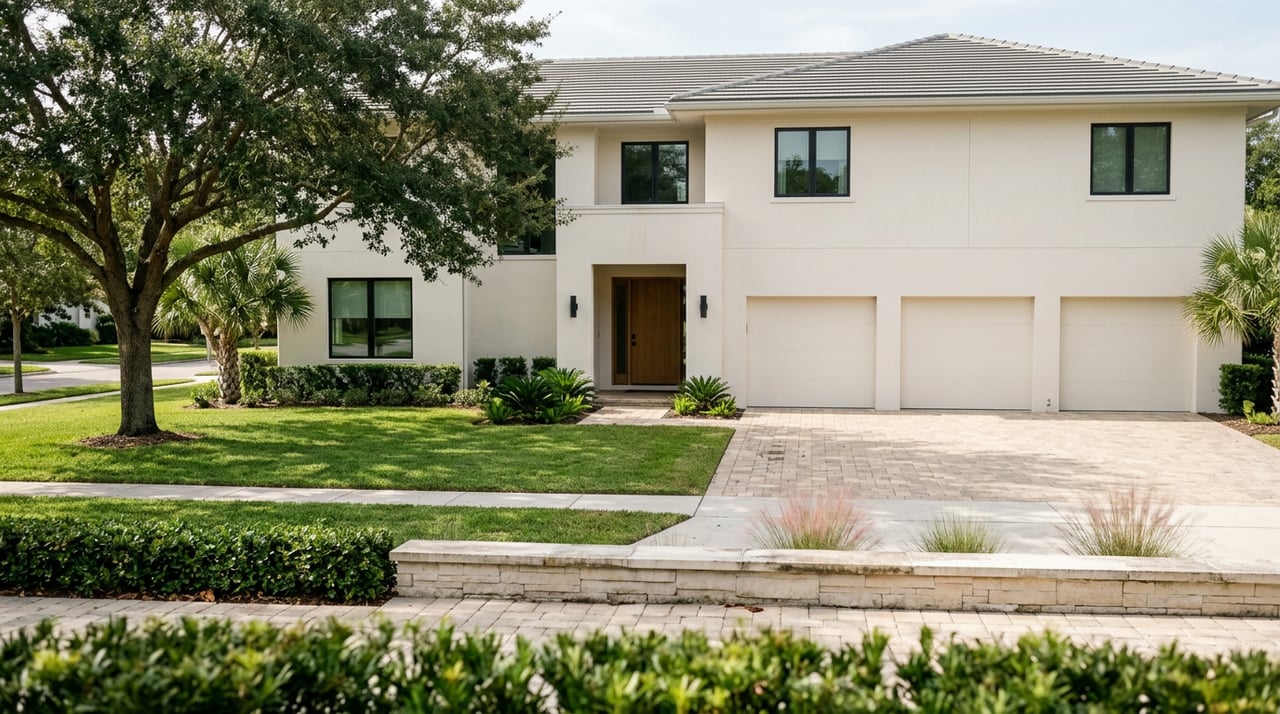
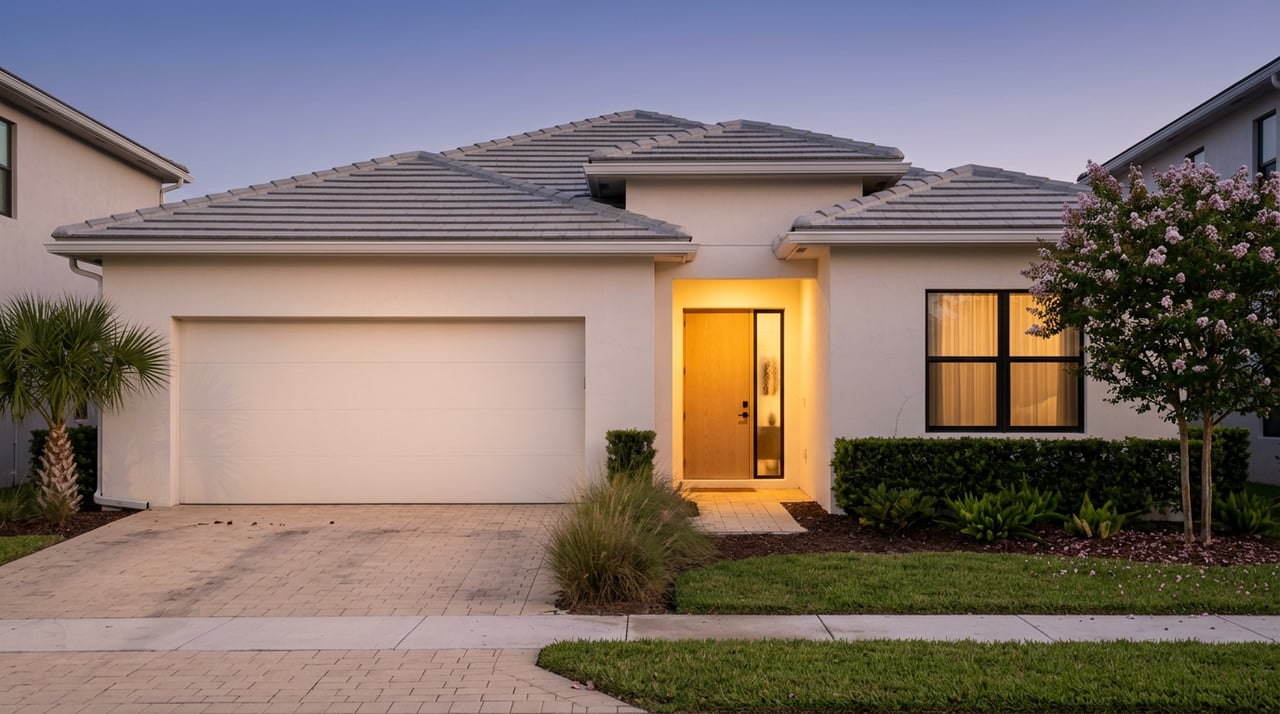
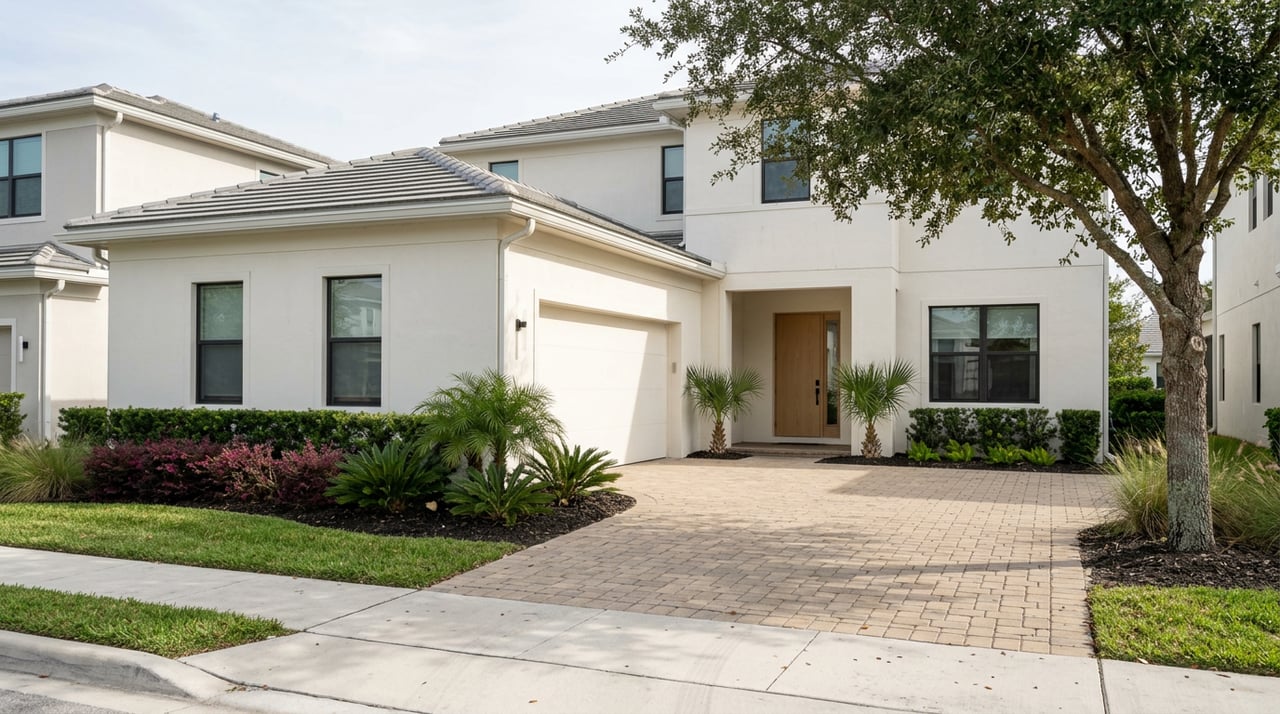
A College Park bungalow's price tells you what the market thinks the location and the square footage are worth. It doesn't tell you what's behind the wall, and neither does a listing photo. That's the part worth checking before you fall in love with the house.
If you're weighing a purchase or a sale in College Park and want a clear read on what a specific property's age and systems mean for your timeline, Glasstone Real Estate can walk you through it in plain terms, in English or Portuguese. Receive Exclusive Listings to see what's coming up in College Park before it's public.